
SOLTIVE™ Laser Therapy for BPH
Frequent urination, a weak stream, difficulty starting urination, and waking repeatedly at night can occur when an enlarged prostate narrows the urethra. When medication has not provided enough relief, a procedure that addresses the obstructing prostate tissue may be appropriate.
At the Center for Advanced Urology, SOLTIVE™ Laser Therapy uses a thulium fiber laser to treat prostate tissue associated with benign prostatic hyperplasia (BPH). The procedure is performed through the urinary passage rather than through an external surgical incision.
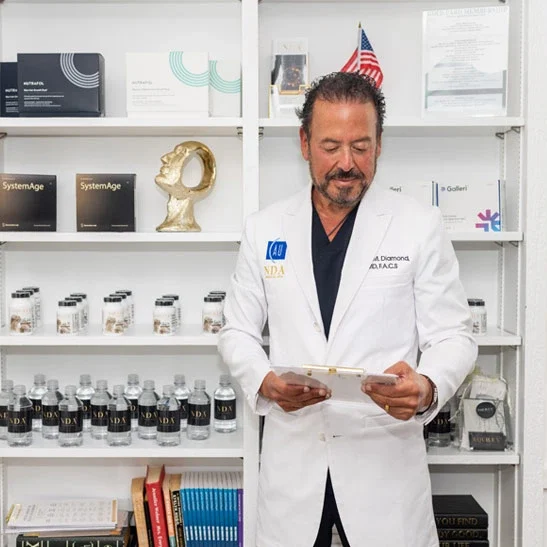
Stuart M. Diamond, MD, FACS, evaluates your symptoms, prostate anatomy, urinary function, medical history, and treatment goals to determine whether SOLTIVE™ BPH treatment is appropriate or whether another approach would better fit your condition.

5.0 from 550+ Reviews | Moorestown & Salem, NJ
What Is SOLTIVE™ Laser Therapy?
SOLTIVE™ is a SuperPulsed thulium fiber laser system used in urologic procedures, including treatment of benign prostatic hyperplasia. The system can be used for prostate ablation, resection, and enucleation, depending on the procedure being performed.
For BPH treatment, the physician uses an endoscopic instrument passed through the urethra to visualize the prostate. A small laser fiber is then used to treat tissue that is contributing to urinary obstruction.
The objective is to create more room within the urinary channel by treating the prostate tissue responsible for the blockage. The specific laser technique depends on the prostate's anatomy, the amount and location of tissue being treated, and the surgical approach selected by the urologist.
How Does SOLTIVE™ Treat an Enlarged Prostate?
BPH can cause the prostate to enlarge around the urethra, restricting urine flow from the bladder. Laser treatment addresses that physical obstruction rather than treating the urinary symptoms alone.
During treatment, the physician:
The exact technique and amount of tissue treated vary according to the patient's anatomy and the procedure being performed.
SOLTIVE™ technology is designed for soft-tissue applications as well as stone treatment in urology. Olympus describes the platform as a SuperPulsed thulium fiber laser system for a range of urologic procedures.
Who May Be a Candidate for SOLTIVE™ BPH Treatment?
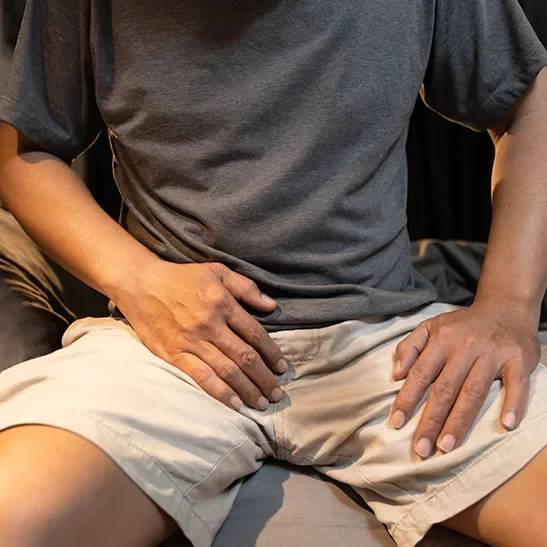
SOLTIVE™ may be considered for men whose urinary symptoms are associated with BPH and who need more than medication or conservative management can provide.
Symptoms that may prompt discussion of procedural treatment include:
Having BPH symptoms does not automatically make someone a candidate for laser treatment.
Your physician also needs to consider prostate size and shape, the location of the obstruction, bladder function, medications, previous procedures, general health, and anesthesia considerations.
Some patients may be better suited to medication, another minimally invasive procedure, or a different surgical technique. The purpose of the evaluation is to identify the treatment that fits the patient's condition rather than assuming that one procedure is appropriate for everyone.
Before recommending SOLTIVE™, Dr. Diamond will determine whether prostate obstruction is actually responsible for your urinary symptoms and whether procedural treatment is appropriate.
The evaluation may include:
- Medical and medication history
- Review of urinary symptoms and symptom severity
- Physical examination
- Urine testing when indicated
- Prostate assessment
- Measurement of post-void residual urine
- Uroflowmetry when appropriate
- Evaluation of bladder function
- Review of previous BPH treatment or procedures
Urinary frequency, urgency, weak flow, and nighttime urination can have causes other than BPH. Evaluating those possibilities is important before deciding to remove prostate tissue.
Your preparation depends on your health, medications, anesthesia plan, and the requirements of the surgical facility.
Before treatment, tell your medical team about:
- Prescription and over-the-counter medications
- Blood thinners or other medications that affect bleeding
- Supplements
- Medication or anesthesia allergies
- Previous problems with anesthesia
- Urinary tract infections or recent infections
- Significant medical conditions
- Previous prostate procedures
Do not stop prescription medications without instructions from your physician or anesthesia team.
You may also receive instructions about fasting, fluids, transportation, activity, and other procedure-specific requirements.
SOLTIVE™ BPH treatment is performed through the urethra, so there is no external incision to access the prostate.
After anesthesia is provided, the urologist passes an endoscopic instrument through the urethra and uses it to visualize the prostate and bladder. The laser fiber is introduced through the instrument and used to treat the obstructing prostate tissue.
The specific technique depends on the patient's anatomy and the procedure selected. Treatment may involve vaporization, ablation, resection, or another laser technique appropriate for the clinical situation.
A temporary urinary catheter may be placed after treatment while the urinary tract begins to recover. Some patients may be able to urinate adequately without leaving with a catheter, while others require temporary catheterization.
The Center for Advanced Urology's patient information describes SOLTIVE™ treatment as typically performed as a same-day procedure, although an overnight stay may be appropriate in some circumstances.
Catheter use varies from patient to patient.
After prostate laser treatment, swelling and irritation can temporarily affect urinary flow. A catheter may be used to keep the bladder draining until the physician determines that you can urinate adequately on your own.
If you require a catheter, your care team will explain how to manage it, when it should be removed, and which symptoms should be reported.
Recovery focuses on allowing the treated urinary tract to heal while urinary function gradually settles.
Temporary symptoms may include:
- Increased urinary frequency
- Urinary urgency
- Burning or discomfort with urination
- Blood in the urine
- Bladder irritation
- Temporary difficulty urinating
Your physician will provide individualized instructions about medications, hydration, activity, lifting, exercise, and sexual activity.
You should follow those instructions even if you feel ready to resume normal activities sooner than expected. Recovery time varies according to the procedure and your individual healing.
Contact your medical team promptly if you:
- Cannot urinate
- Develop severe or increasing pain
- Develop fever or chills
- Experience significant or persistent bleeding
- Notice problems with catheter drainage
- Develop other symptoms that concern you
Some blood in the urine can occur during recovery, but your physician should explain what is expected for your procedure and when bleeding requires evaluation.
One characteristic of SOLTIVE™ BPH treatment is its endoscopic approach. The physician accesses the prostate through the urinary passage rather than through an external incision.
Potential advantages may include:
- Direct treatment of obstructing prostate tissue
- Endoscopic access through the urethra
- No external abdominal or perineal incision
- Use of controlled laser energy
- Same-day treatment for appropriate patients
The specific advantages of a laser procedure depend on the technique used and the patient's circumstances. Claims about bleeding, catheter duration, recovery time, or symptom improvement should be discussed in the context of the specific procedure rather than assumed for every patient.
SOLTIVE™ should also be distinguished from other BPH technologies, including UroLift®, Rezūm™, iTind, PlasmaButton™, and other laser platforms. These treatments use different mechanisms and may be appropriate for different prostate anatomies and clinical situations.
No surgical procedure is free of risk.
Potential complications associated with prostate laser procedures can include:
- Blood in the urine
- Burning or discomfort with urination
- Urinary frequency or urgency
- Bladder or urethral irritation
- Temporary urinary retention
- Urinary tract infection
- Bleeding
- Temporary catheterization
- Retrograde ejaculation
- Anesthesia-related complications
- Other complications associated with endoscopic prostate surgery
The specific risks associated with your treatment depend on the procedure being performed, your health, medications, prostate anatomy, and other factors.
SOLTIVE™ is a specific laser platform, so results reported for other prostate laser systems should not automatically be presented as SOLTIVE™ outcomes. Published evidence for different laser technologies may not be directly interchangeable.
The FDA-cleared SOLTIVE™ system has indications for several urologic soft-tissue procedures, including BPH treatment, laser resection, and laser enucleation of the prostate.
The goal of BPH laser treatment is to relieve prostate-related obstruction and improve urinary function.
Patients may experience improvement in symptoms such as:
- Weak urine stream
- Difficulty starting urination
- Incomplete emptying
- Urinary frequency
- Urinary urgency
- Nighttime urination
Improvement is not necessarily immediate. Temporary irritation, swelling, or changes in urinary habits can occur during early recovery.
Long-term results depend on factors such as the degree of obstruction before treatment, bladder function, other urinary conditions, prostate anatomy, and the specific procedure performed.
Your urologist can discuss realistic expectations based on your evaluation rather than relying on outcomes associated with a different laser system.
Follow-Up After SOLTIVE™ Treatment
Follow-up allows your physician to assess recovery and determine whether urinary function is improving as expected.
Your urologist may ask about:
Additional testing, such as post-void residual measurement or uroflowmetry, may be recommended when appropriate.
Follow-up is also an opportunity to determine whether persistent symptoms are part of normal recovery or require additional evaluation.
Why Choose Center for Advanced Urology?
Selecting a BPH procedure requires more than choosing a piece of technology. Prostate anatomy, symptom severity, urinary function, medical history, and treatment goals all affect which approach makes sense.
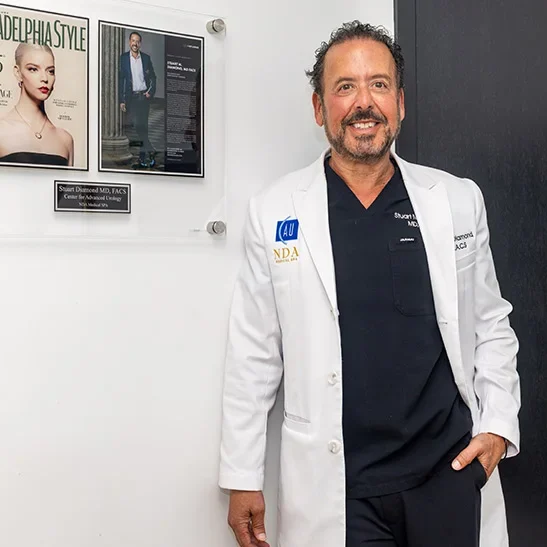
At the Center for Advanced Urology, Stuart M. Diamond, MD, FACS, provides individualized urologic care backed by more than 30 years of experience. Dr. Diamond is a board-certified urologist with experience in BPH, voiding dysfunction, general urology, and other men's health concerns.
His background includes leadership and academic roles in urology, including serving as Chief of Surgery at Salem Medical Center and Director of Laparoscopy and Robotic Surgery at Cooper Hospital/University Medical Center.
Our practice offers multiple approaches to BPH treatment and evaluates whether laser therapy is appropriate for the individual patient. That allows treatment recommendations to be based on the patient's condition rather than on a single procedure.
SOLTIVE™ Laser Therapy in South Jersey & Philadelphia
Center for Advanced Urology provides urologic care through two South Jersey offices.
Salem
MOORESTOWN
Patients throughout South Jersey and the greater Philadelphia area can contact the practice to discuss BPH symptoms, laser treatment, and other options for managing prostate enlargement.
Our Clinics
The Center for Advanced Urology provides SOLTIVE™ consultations and BPH care at two clinic locations, each serving the communities listed below.
Moorestown
Salem
SOLTIVE™ Laser Therapy FAQs
SOLTIVE™ is a SuperPulsed thulium fiber laser system used in urologic procedures, including treatment of benign prostatic hyperplasia. Depending on the procedure, the system can be used for prostate ablation, resection, or enucleation.
Yes. The SOLTIVE™ system is FDA-cleared for urologic applications that include ablation of benign prostatic hyperplasia and laser procedures involving the prostate.
The procedure is performed endoscopically through the urethra rather than through an external surgical incision. It is still a surgical treatment involving anesthesia and a recovery period.
Not necessarily. Some patients can urinate adequately after the procedure without a catheter, while others need temporary catheterization because of swelling, irritation, or other factors affecting urinary drainage.
Recovery varies. Temporary urinary frequency, urgency, burning, or blood in the urine may occur while the treated area heals. Your physician will provide instructions for returning to work, exercise, and other activities.
Retrograde ejaculation is a potential side effect of prostate laser procedures. The effects on sexual and ejaculatory function depend on the procedure performed and the individual patient. Discuss those risks with your urologist before treatment.
Not necessarily. Medication and procedural treatments have different benefits and limitations. The appropriate option depends on symptom severity, prostate anatomy, response to medication, medical history, and treatment preferences.
A urologic evaluation is necessary. Your physician will consider your symptoms, prostate anatomy, urinary function, medical history, previous treatment, and goals before recommending laser treatment or another BPH option.
No. Different laser systems use different technologies and may be used for different prostate procedures. Results from one laser platform should not automatically be assumed to apply to SOLTIVE™.
Contact Us
Discuss SOLTIVE™ Laser Therapy for BPH
When an enlarged prostate is interfering with urination, medication is not the only possible treatment. For appropriately selected patients, SOLTIVE™ provides a laser-based approach to treating prostate tissue that contributes to urinary obstruction.
At the Center for Advanced Urology, we evaluate your symptoms, prostate anatomy, urinary function, medical history, and treatment goals before recommending SOLTIVE™ or another BPH treatment.
Stuart M. Diamond, MD, FACS, can discuss whether SOLTIVE™ Laser Therapy is appropriate for your condition and explain what to expect from the procedure and recovery.
Call Center for Advanced Urology at (856) 339-4466 to schedule a consultation.