

Your urologist can play a central role in helping you stay healthy, strong, and independent for decades. Many conditions urologists treat every day, including erectile dysfunction, low testosterone, an enlarged prostate, and kidney stones, are closely tied to heart health, blood sugar, and the way the body ages. Paying attention to these concerns early gives men pursuing healthy aging a real chance to spot serious health risks when there is still time to act on them.
This approach is called longevity medicine. Its goal is to add healthy years to your life through early detection, prevention, and care built around your body, your history, and your goals.
Our team at Center for Advanced Urology has cared for men across South Jersey and the Philadelphia area since 2005. We see firsthand how one visit for a single concern, such as trouble with erections or frequent trips to the bathroom at night, can open the door to a full picture of a man’s health. Below, we explain what longevity medicine means, how urology fits into it, and what a complete evaluation can include.
Catching Problems Before They Take Hold

Traditional medicine has largely focused on treating disease after symptoms appear. Longevity medicine shifts that focus to finding health risks early, preventing disease where possible, and helping men keep their strength and function for as long as possible. It relies on proactive testing and personalized treatment plans. The aim is a long healthspan, which means the number of years you live in good health, with your energy, mobility, and independence intact.
Many of the conditions that shorten healthy years develop quietly. High blood pressure, rising blood sugar, plaque in the arteries, and early cancers often cause no symptoms at first. By the time a man feels something is wrong, the condition may have been building for years. Regular, thoughtful evaluation gives us a way to find these changes early.
Picturing a Long, Active Life
Healthspan can sound abstract, so it helps to picture it. It is the ability to climb a flight of stairs without stopping, carry groceries from the car, travel with your family, and keep up with grandkids at the park. It is sleeping through the night without several trips to the bathroom. It is a satisfying sex life with your partner and the energy to enjoy your hobbies.
These everyday abilities depend on the health of your heart, muscles, hormones, bladder, and prostate. A problem in one of these systems often affects the others. Protecting them early helps men keep doing the things that make life feel full.
What a Prevention Plan Aims For
A plan focused on men’s longevity usually works toward a few clear goals:
- Spotting risk factors early, such as high blood pressure, insulin resistance, or a family history of cancer
- Preventing disease through screening, lifestyle changes, and treatment when needed
- Protecting physical function, including muscle strength, balance, and endurance
- Keeping sexual and urinary health strong, since both affect quality of life at every age
- Tailoring care to the person, using his own test results, history, and priorities
None of this promises to stop the clock. Longevity medicine uses evidence-based tools to help men stay well and catch problems at a stage when they can be managed. It treats a man as a whole person, with every system in his body connected to the others.
What Common Concerns Can Reveal
Urologists treat conditions that many men face as they get older. These include erectile dysfunction, testosterone deficiency, benign prostatic hyperplasia (BPH), infertility, kidney stones, and prostate cancer. Each one connects to aging, metabolism, or blood vessel health in some way. That makes preventive urology a natural starting point for comprehensive, proactive care.
Many men put off routine checkups for years. A problem with erections, urination, or fertility is often what finally brings them to a doctor. We see that visit as an opportunity. It lets us address the concern in front of us and look at the health patterns that may be connected to it.
Erections and the Heart
Erections depend on healthy blood vessels. The arteries in the penis are small, so they often show signs of damage early. In a study of 9,457 men age 55 and older from the Prostate Cancer Prevention Trial, 47% of the men without heart disease already had some degree of erectile dysfunction. Men who developed new erectile problems during the study had a 25% increase in the risk of a later heart attack, stroke, or other cardiovascular event. The researchers concluded that erectile dysfunction should prompt a check of heart disease risk factors.
A 2023 commentary in a journal of the American College of Cardiology reached a similar view, describing erectile dysfunction as an early marker that can help identify men at high risk of heart disease. For some men, trouble with erections is the first sign of an underlying problem that needs attention.
Other Conditions With Whole-Body Links
Several other urologic conditions also point to broader health patterns:
- Low testosterone is linked to obesity, type 2 diabetes, poor sleep, and heart disease risk.
- BPH affects about 50% of men between 51 and 60 and up to 90% of men over 80, according to the National Institute of Diabetes and Digestive and Kidney Diseases. Obesity, type 2 diabetes, and heart and circulatory disease are listed among its risk factors.
- Kidney stones are tied to diet, hydration, weight, high blood pressure, and diabetes.
- Infertility can reflect a man’s overall health, including weight, hormone balance, and blood sugar.
- Prostate cancer and other prostate health issues become more common with age, making a personalized screening and care plan essential.
When we look at these conditions together, a clear picture often appears. A man with erectile dysfunction, extra weight around the waist, and low energy may also have high blood sugar or early heart disease. Treating only the symptom that brought him in would miss the chance to protect his overall health.
What a Complete Evaluation Can Include
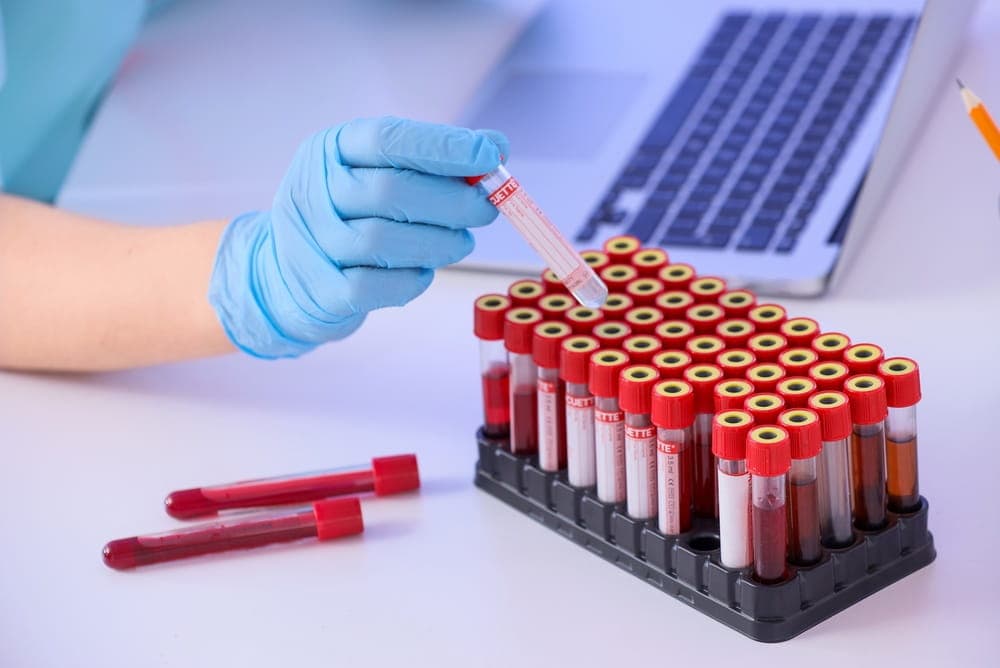
Hormones are an important part of a man’s health, and testosterone is one piece of a larger puzzle. A complete evaluation looks at how the heart, metabolism, muscles, and sexual health work together.
Depending on your age, history, and goals, a comprehensive men’s health assessment may include:
- Cardiovascular risk assessment. Blood pressure, cholesterol, family history, and other markers help estimate your risk of heart attack and stroke.
- Metabolic health testing. Blood sugar, A1C, insulin levels, and liver function show how well your body handles energy.
- Hormone evaluation. Testosterone, thyroid hormones, and related markers help explain symptoms such as fatigue, low drive, and weight gain, with testosterone therapy serving as a potential treatment pathway when indicated.
- Personalized lifestyle planning. Sleep, nutrition, stress, alcohol, and exercise habits all shape how you feel and how you age.
- Sexual wellness review. We talk openly about desire, erections, and satisfaction, since these often reflect blood vessel and hormone health.
- Body composition. Measuring muscle mass and body fat shows what the number on the scale cannot.
- VO₂ max testing. This measures how much oxygen your body can use during hard exercise. It is one of the most useful markers of cardiorespiratory fitness.
- Biological age assessment. Some tests estimate how quickly the body is aging based on blood markers and fitness. This science is still developing, so we use these results as one data point among many.
Each result adds context to the others. A man with normal weight may still carry too much fat around his organs. A man with a healthy testosterone level may still have early insulin resistance. Looking at the full set of results helps us build a plan that targets what is actually going on.
What to Expect at Your First Visit
Your first appointment starts with a conversation about your health history, your family history, and what prompted the visit. We ask about sleep, stress, diet, exercise, alcohol use, medications, and sexual and urinary health. These questions can feel personal, and our team handles them with care and discretion.
Next, we decide together which tests make sense for you. Not every man needs every test on the list above. Each workup depends on your age, symptoms, family history, and goals. Once results come back, we review them with you in plain language, explain what each number means, and outline the steps that fit your goals.
Movement as a Prescription
Cardiorespiratory fitness, or how well your heart and lungs supply oxygen to your body during exercise, is one of the strongest predictors of how long and how well a person lives. A study published in JAMA Network Open analyzed 122,007 adults who took treadmill tests between 1991 and 2014. Risk of death fell steadily as fitness rose, and the researchers found no upper limit to the benefit. They described fitness as a risk factor patients can change.
Most adults have room to grow here. Federal guidelines call for at least 150 minutes of moderate aerobic activity each week, plus muscle-strengthening activity at least two days a week. In 2022, only 22.5% of U.S. adults age 25 and older met both goals, according to the Centers for Disease Control and Prevention.
Building an Exercise Plan That Fits
An exercise prescription works the same way a medication plan does. It starts with where you are today and sets a dose that is safe and effective for you. A well-rounded plan often includes:
- Aerobic exercise, such as brisk walking, cycling, or swimming, to build heart and lung fitness
- Resistance training two or three days a week to preserve muscle and bone, support healthy hormone levels, and improve blood sugar control
- Interval work, when appropriate, to raise VO₂ max over time
- Balance and mobility work to lower the risk of falls and keep joints moving well
- Gradual progress, with goals adjusted as your fitness improves
Sleep and Recovery
Exercise builds fitness, and rest is when the body repairs itself. Most adults need seven to nine hours of sleep each night. Poor sleep can raise blood pressure, disrupt blood sugar control, and lower testosterone. Untreated sleep apnea, which causes repeated pauses in breathing at night, is linked to heart disease, erectile dysfunction, and daytime exhaustion.
Urinary symptoms can also break up sleep. Men with an enlarged prostate often wake several times a night to urinate, a condition called nocturia. Treating the prostate can help restore full nights of rest, which supports energy, mood, and recovery from exercise. This is one of many ways urologic care and overall wellness connect.
Holding On to Muscle
Muscle deserves special attention. Men naturally lose muscle as they age, and that loss affects strength, metabolism, and independence. Strength training is one of the most effective ways to slow it down. Combined with good sleep, a balanced diet, and healthy hormone levels, regular exercise and metabolic optimization form the main pillars of a long, active life.
Finding Cancer Early
Prostate cancer is one of the most common cancers in American men. The National Cancer Institute estimated 313,780 new cases in 2025, making up 15.4% of all new cancer cases in the country. About 69% of prostate cancers are found when still confined to the prostate, and the five-year relative survival rate at that stage is 100%. Those numbers show why catching prostate cancer before it spreads matters.
Screening decisions work best when they are personal. The U.S. Preventive Services Task Force recommendation issued in 2018 advises men ages 55 to 69 to make an individual decision about PSA screening after talking through the benefits and possible harms with their clinician. Black men and men with a family history of prostate cancer face increased risk, and groups such as the American Cancer Society suggest they start the screening conversation earlier, around age 45.
A cancer diagnosis does not always mean immediate treatment. Many prostate cancers grow slowly. For low-risk cases, careful monitoring with regular PSA tests, imaging, and repeat biopsies when needed, called active surveillance, can be a reasonable choice. Careful evaluation after diagnosis helps us identify which cancers need treatment and which can be watched safely.
Our Approach to Screening
A personalized screening plan may include:
- A risk assessment that considers age, race, family history, and genetic factors
- PSA blood testing at intervals that match your risk level
- Tracking PSA trends over time, since changes can tell us as much as a single number
- Advanced imaging when appropriate, including Promaxo MRI in our office
- MRI-guided biopsy when imaging shows an area that needs further study
Good screening decisions come from good questions. Men often find it helpful to ask:
- What is my personal risk based on my age, race, and family history?
- How often should I have my PSA checked?
- What would happen next if my PSA came back elevated?
- Would an MRI help clarify my results before a biopsy?
We welcome these questions and take time to answer each one so you can decide what feels right for you.
We also watch for signs of other urologic cancers. Blood in the urine, for example, can point to bladder or kidney concerns that call for prompt evaluation. Early assessment helps guide clear next steps and gives men a full range of treatment options to consider.
Care Built Around Your Biology
No two men age the same way. Genes, habits, work, stress, and medical history all play a part. Precision medicine uses these details to shape a plan that fits one person.
A precision approach can draw on several kinds of information:
- Genetics and family history, which can affect cancer risk, heart disease risk, and the right age to start screening
- Biomarkers, such as blood sugar, cholesterol, inflammation markers, and hormone levels, tracked over time
- Advanced laboratory testing that goes past a basic annual panel when your history calls for it
- Imaging, such as prostate MRI, when it can answer a specific clinical question
- Nutrition and exercise data, including body composition and fitness testing
- Your personal goals, whether that means staying active with your kids, keeping up at work, or enjoying a healthy sex life
Some inherited gene changes, such as BRCA2 mutations, raise the risk of prostate cancer. A man who knows he carries one can start screening at the right time and with the right tools. In the same way, a man whose father had a heart attack before age 55 may benefit from heart risk monitoring that starts in his 40s.
Food as Part of the Plan
Nutrition affects nearly every marker we track, from blood sugar and cholesterol to body fat and testosterone. Most men do well with a few steady habits:
- Building meals around vegetables, fruits, beans, whole grains, nuts, and fish
- Getting enough protein to support muscle, especially with strength training
- Limiting processed foods, sugary drinks, and refined carbohydrates
- Drinking enough water, which also lowers the risk of kidney stones
- Keeping alcohol intake moderate
We tailor these guidelines to your test results. A man with kidney stones may need specific changes to sodium and protein intake. A man with insulin resistance may focus on carbohydrate quality and timing.
The plan grows with you. As test results change and goals shift, we adjust treatment, testing intervals, and lifestyle targets. That ongoing process keeps care personal and useful over time.
How Our Team Puts This Into Practice
Our practice is led by Stuart M. Diamond, MD, FACS, a board-certified urologist with three decades of experience in urologic and sexual health care. Dr. Diamond was recognized among the 2026 Top 50 Doctors in America, and our patients have given us a 5.0 rating across 550+ reviews.
We believe men’s health goes beyond treating disease. Our mission is to help men care for their hormones, heart health, metabolism, sexual wellness, and preventive needs so they can extend both their lifespan and their healthspan. We offer a wide range of services under one roof, including:
- Hormone optimization with careful testing and ongoing monitoring
- Sexual health care, including treatment for erectile dysfunction and options such as GAINSWave® and the P-Shot®
- Minimally invasive BPH treatments, including UroLift®, Rezum™, and SOLTIVE™ Laser Therapy
- Prostate cancer evaluation with Promaxo MRI and MRI-guided biopsy in our office
- Kidney stone care and bladder cancer evaluation
- Urinary incontinence treatment, including InterStim™ and Urgent® PC
Because these services sit within one practice, your care stays connected. The doctor treating your BPH also knows your hormone levels, your PSA history, and your heart risk. That continuity makes it possible to see patterns early and adjust your plan as your needs change.
Every plan starts with a conversation. We listen to your concerns, review your history, and explain each test and treatment in plain language. From there, we work together on next steps that match your health and your goals. We see patients at our clinics in Moorestown and Salem, New Jersey, and our Global Medical Tourism Program helps men who travel from outside the area.
Frequently Asked Questions
Is longevity medicine the same as anti-aging treatment? No. It focuses on adding healthy years through evidence-based prevention, screening, and personalized care.
Can a urologist help me stay healthy as I get older? Yes. Urologists treat many conditions tied to heart health, metabolism, and hormones, which makes them well placed to spot broader health risks early.
What does healthspan mean? Healthspan is the number of years a person lives in good health, with strength, function, and independence intact.
Do I need symptoms to schedule an evaluation? No. Many men come in for screening and prevention, especially if they are over 40 or have a family history of prostate cancer or heart disease.
Start With a Conversation That Puts You First
Feeling strong, capable, and like yourself is worth the effort, and small steps taken today shape how you feel every day after. Center for Advanced Urology brings together a board-certified physician with three decades of experience, a 5.0 rating from 550+ patient reviews, and advanced technology close to home in Moorestown and Salem, NJ. We take the time to understand your concerns, test with purpose, and build a plan around the life you want to keep living. Call us or schedule a consultation to take the first step.