
The UroLift® System for BPH
Difficulty starting urination, a weak stream, frequent bathroom trips, and waking several times at night can occur when an enlarged prostate interferes with urinary flow. For appropriately selected men, the UroLift® System provides a minimally invasive way to relieve BPH-related obstruction without removing prostate tissue.
At Center for Advanced Urology, Stuart M. Diamond, MD, FACS, evaluates your prostate anatomy, urinary symptoms, medical history, and treatment goals before recommending UroLift® or another BPH treatment. The appropriate procedure depends on the reason for your symptoms and the characteristics of your prostate.
UroLift® uses small permanent implants to lift and hold obstructing prostate tissue away from the urethra. Unlike procedures that remove or thermally destroy prostate tissue, it uses a mechanical approach to open the urinary passage.
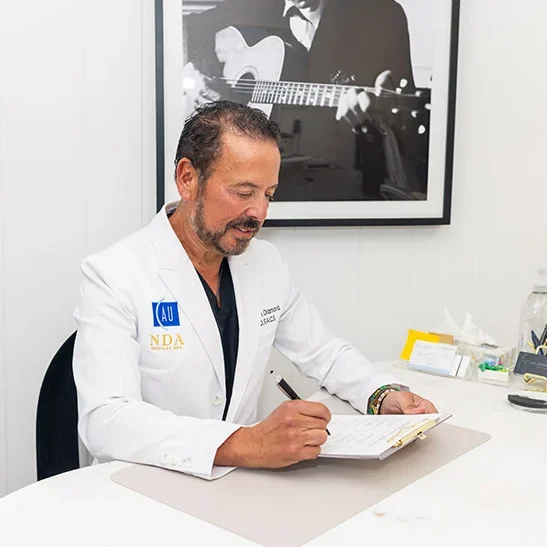
Dr. Diamond is a board-certified urologist and Fellow of the American College of Surgeons with more than 30 years of urologic experience. He has also been designated a UroLift® Center of Excellence.

5.0 from 550+ Reviews | Moorestown & Salem, NJ
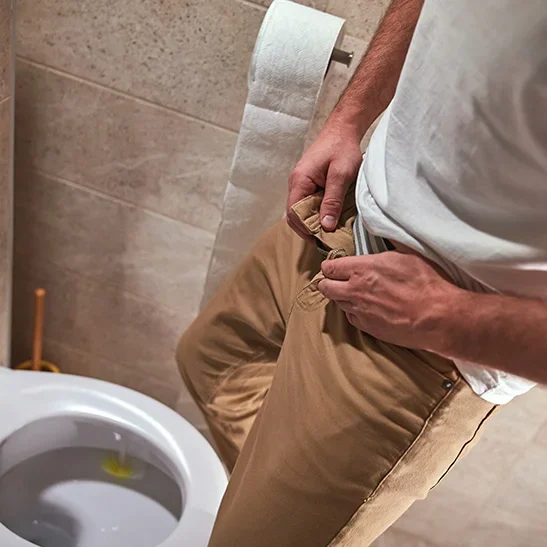
What Is the UroLift® System?
UroLift® is a minimally invasive treatment for urinary symptoms associated with benign prostatic hyperplasia.
As the prostate enlarges, it can compress the urethra and restrict urine leaving the bladder. UroLift® addresses that obstruction by placing small implants that pull the obstructing prostate tissue away from the urinary channel and hold it in position.
The procedure does not cut out or heat the prostate tissue. The implants are designed to remain permanently in place.
How Is UroLift® Different From Other BPH Procedures?
BPH procedures use different methods to address urinary obstruction.
Some techniques remove prostate tissue. Others use heat or energy to destroy or reduce obstructing tissue. UroLift® instead repositions the prostate tissue mechanically.
That difference can be important when discussing treatment priorities such as recovery, sexual function, catheter use, prostate anatomy, and future treatment options.
The least invasive procedure is not automatically the best choice. The objective is to select an approach that is appropriate for the patient's anatomy, symptoms, health, and goals.
How Does UroLift® Work?
UroLift® is performed through the urethra using a specialized delivery device.
During treatment, the physician:
Creating more space around the urethra allows urine to pass with less resistance.
The number and placement of implants depend on the patient's prostate configuration and the areas contributing to obstruction.
The procedure typically takes less than an hour, although total appointment time varies according to the treatment setting, anesthesia, preparation, and recovery.

Who Is a Candidate for UroLift®?
UroLift® is not appropriate for every man with BPH.
Current UroLift® patient safety information identifies men 45 and older with urinary outflow obstruction related to BPH as potential candidates, including men with lateral or median lobe hyperplasia. The system is indicated for prostate volumes up to 100 cc.
Eligibility for treatment still requires an individual evaluation.
Your physician may consider:
Certain conditions may make UroLift® unsuitable. These can include urinary tract infection, current gross hematuria, some urethral conditions that prevent insertion of the delivery system, urinary incontinence caused by an incompetent sphincter, prostate volume greater than 100 cc, or known allergies to relevant implant materials.
Your urologist will determine whether those or other factors affect your eligibility.
A successful treatment plan begins with determining what is causing the urinary symptoms.
A weak stream, frequency, urgency, or incomplete emptying can result from BPH, but other conditions can produce similar symptoms. Your evaluation may therefore include:
Symptom Assessment
Your physician may review the severity and duration of your urinary symptoms and use a questionnaire such as the International Prostate Symptom Score (IPSS) to establish a baseline.
Medical and Medication History
Previous BPH treatments, medications, urinary retention, infections, prostate procedures, and other medical conditions may affect treatment decisions.
Prostate and Urinary Evaluation
Depending on your circumstances, evaluation may include urine testing, assessment of prostate size and anatomy, bladder evaluation, or cystoscopy to examine the urethra and prostate directly.
The goal is to determine whether BPH is responsible for the obstruction and whether UroLift® is technically and medically appropriate.
Preparation is individualized according to your medical history, medications, treatment setting, and anesthesia plan.
Before treatment, tell your medical team about:
- Prescription medications
- Blood-thinning medications
- Over-the-counter medications and supplements
- Medication or implant-material allergies
- Previous urinary tract infections
- Blood in the urine
- Previous prostate or urinary procedures
- Other significant medical conditions
- Previous problems with anesthesia
Do not stop prescription medication without instructions from your physician.
The Center for Advanced Urology will provide specific instructions regarding medications, food and fluids, transportation, and what to expect on the day of treatment.
UroLift® is performed as an outpatient procedure and does not generally require an overnight hospital stay.
The anesthesia or comfort measures used depend on the treatment setting and the patient's needs. Depending on the circumstances, the procedure may be performed using local or general anesthesia.
The physician passes the UroLift® delivery device through the urethra to the prostate and places implants at selected locations. Each implant lifts obstructing tissue away from the urinary passage.
Once treatment is complete, the physician determines whether a catheter is needed. Most patients return home the same day. Discharge timing varies according to the procedure, recovery, and individual circumstances.
Most patients do not require a catheter after UroLift®, although temporary catheterization may be necessary in some cases.
Whether a catheter is used depends on factors such as urinary function, the procedure performed, and the physician's assessment after treatment.
Your care team will explain catheter care and when it should be removed if one is required.
Recovery is generally focused on allowing the urinary tract to settle after the procedure.
Temporary symptoms may include:
- Burning or discomfort during urination
- Increased urinary urgency
- Blood in the urine
- Pelvic discomfort
- Temporary changes in urinary control
- Difficulty urinating
These symptoms generally improve as the urinary tract heals. Recovery varies from patient to patient.
Your physician will provide instructions regarding hydration, medications, physical activity, sexual activity, and when normal activities can be resumed. Many patients return to regular activities within several days, but your individual recovery timeline may differ.
Contact your medical team if you develop symptoms that are severe, persistent, or unexpected.
Prompt evaluation may be necessary for:
- Inability to urinate
- Significant or persistent bleeding
- Severe or increasing pain
- Fever or chills
- Other symptoms that concern you after treatment
Follow the specific aftercare instructions provided by your physician.
Sexual function is an important consideration when choosing a BPH procedure.
In the pivotal L.I.F.T. study, there were no reported instances of new, sustained erectile or ejaculatory dysfunction following UroLift® treatment.
Individual outcomes can vary, however. Your physician should consider your sexual health and treatment priorities when discussing UroLift® and alternative procedures.
Symptom improvement varies from patient to patient.
Some men experience relief relatively soon after treatment, while others require more time as the urinary tract recovers. Temporary urinary symptoms can occur during the early recovery period.
Clinical data from the UroLift® pivotal study have demonstrated durable outcomes through five years. Manufacturer-reported real-world data have also reported that 88.4% of patients had not undergone a secondary surgical procedure through five years.
These figures describe specific study and real-world patient populations and should not be interpreted as a guarantee of an individual outcome.
UroLift® implants are intended to be permanent. If additional BPH treatment becomes necessary later, previous UroLift® treatment does not automatically eliminate other treatment options.
UroLift® implants are classified as MR Conditional.
This means that MRI can be performed when the specified safety conditions are met. Patients receive implant information identifying the applicable MRI conditions.
Always tell your physician and MRI technologist that you have UroLift® implants before undergoing an MRI examination.
Benefits and Considerations of UroLift®
UroLift® may appeal to appropriately selected patients who want a minimally invasive approach to BPH-related obstruction.
Potential characteristics include:
UroLift® does not guarantee complete symptom resolution, and it is not appropriate for every prostate configuration.
The decision should account for prostate anatomy, urinary symptoms, overall health, previous treatment, and individual priorities.
Why Choose Center for Advanced Urology?
Choosing a BPH procedure requires more than selecting a device. Prostate anatomy, symptom severity, bladder function, medical history, and treatment goals all influence the decision.

Urologic Experience

Individualized Treatment Planning

South Jersey and Philadelphia
The practice serves patients throughout the South Jersey and Philadelphia regions.
UroLift® in South Jersey & Philadelphia
Center for Advanced Urology provides urologic care through two New Jersey locations.
Salem
MOORESTOWN
Patients can contact the practice to discuss BPH symptoms, UroLift® candidacy, diagnostic evaluation, and other prostate treatment options.
Our Clinics
The Center for Advanced Urology provides UroLift® consultations and BPH care at two clinic locations, each serving the communities listed below.
Moorestown
Salem
UroLift® FAQs
UroLift® is a minimally invasive BPH treatment that uses small permanent implants to lift and hold obstructing prostate tissue away from the urethra.
No. UroLift® mechanically repositions obstructing prostate tissue rather than cutting it out or using thermal energy to destroy it.
The system is indicated for men 45 and older with urinary outflow obstruction related to BPH and prostate volumes up to 100 cc, including certain patients with lateral or median lobe hyperplasia. Individual suitability depends on the patient's anatomy and medical history.
The procedure typically takes less than an hour, although your total appointment may be longer because of preparation, anesthesia, recovery, and discharge.
Yes. UroLift® is performed as an outpatient procedure, although the treatment setting can vary according to the patient's circumstances.
Most patients do not require a catheter, but some men need temporary catheterization. Your physician will determine whether one is necessary.
Some patients notice symptom improvement relatively soon after treatment, while others experience gradual improvement during recovery. Individual response varies.
In the pivotal L.I.F.T. study, there were no reported instances of new, sustained erectile or ejaculatory dysfunction following UroLift® treatment. Your individual sexual health should still be discussed before treatment.
Clinical data have demonstrated durable outcomes through five years. Individual results vary, and some patients may require additional treatment later.
Yes, when the specified MR Conditional requirements are met. Always inform your healthcare provider and MRI technologist that you have UroLift® implants.
UroLift® does not automatically prevent future BPH treatment. If additional treatment becomes necessary, your urologist can determine which options remain appropriate.
A urologic evaluation is necessary. Dr. Diamond can assess your symptoms, prostate anatomy, bladder function, health history, and treatment goals and compare UroLift® with other BPH options.
Contact Us
Discuss UroLift® With a Urologist
A weak stream, difficulty emptying the bladder, frequent urination, and nighttime bathroom trips may be caused by BPH or another urinary condition. A proper evaluation can help determine whether prostate obstruction is responsible and which treatment options make sense.
At Center for Advanced Urology, Dr. Stuart Diamond evaluates each patient's prostate anatomy, urinary symptoms, medical history, and treatment priorities before recommending UroLift® or another BPH treatment.
Contact Center for Advanced Urology to schedule a consultation and discuss whether the UroLift® System is appropriate for your urinary symptoms and prostate anatomy.
Medical Disclaimer: Information on this page is intended for general educational purposes and does not replace an evaluation, diagnosis, or treatment plan from a qualified medical professional. Individual results, risks, recovery times, and treatment recommendations vary.