
Scrotox: Scrotal Botox for Men’s Sexual Wellness
Scrotox® refers to the use of botulinum toxin injections in the scrotal area for selected concerns involving sweating, muscle activity, appearance, or comfort. At the Center for Advanced Urology, we evaluate each patient individually to determine whether this treatment is appropriate based on the concern being addressed, medical history, anatomy, and treatment goals.
Botulinum toxin temporarily reduces nerve signaling to targeted muscles. It can also decrease signaling involved in sweat production when injected into appropriate areas. Scrotox uses botulinum toxin in an anatomical area and for purposes that are outside its FDA-approved indications, making this an off-label application.
Because the treatment is specialized, the consultation should include a discussion of what Scrotox may reasonably accomplish, its limitations, potential risks, available alternatives, and whether another medical evaluation would be more appropriate.

5.0 from 550+ Reviews | Moorestown & Salem, NJ
What Is Scrotox?
Scrotox is a commonly used term for botulinum toxin injections administered in the scrotal region. The name combines “scrotum” and “Botox,” although the specific botulinum toxin product used is determined by the treating physician.
Men may consider Scrotox for excessive scrotal sweating, pronounced contraction or movement of the scrotal skin, certain aesthetic concerns, or discomfort associated with the treated area.
The effects of botulinum toxin are temporary. Scrotox does not permanently alter the anatomy of the scrotum and should not be presented as a method of increasing penile size, improving fertility, raising testosterone levels, or guaranteeing improved sexual performance.
Scrotox is also different from BOCOX™, which involves botulinum toxin treatment in a different anatomical area and is considered for different concerns.
How Does Scrotox Work?
Botulinum toxin temporarily interferes with nerve signals that cause targeted muscles to contract. It can also reduce signaling to sweat glands, which is why botulinum toxin is used medically to treat excessive sweating in certain areas.
For Scrotox, the physician evaluates the relevant anatomy and determines where treatment may be appropriate. The amount and placement of botulinum toxin depend on the treatment plan and the patient's individual circumstances.
The effect is temporary. As the activity of the botulinum toxin diminishes, nerve and muscle activity gradually return toward baseline.
Why Is Botulinum Toxin Used in the Scrotal Area?
The scrotum contains muscles involved in movement and temperature regulation. Botulinum toxin can temporarily reduce activity in targeted muscles when appropriately administered.
Its effect on sweat signaling may also make it relevant to men who experience excessive perspiration in the scrotal or surrounding region.
However, the use of botulinum toxin specifically for Scrotox is not an FDA-approved indication. Patients should understand the distinction between an FDA-approved indication and an off-label medical use before deciding whether treatment is appropriate.
What Can Scrotox Address?
The reasons for considering Scrotox vary between patients. Depending on the individual circumstances, treatment may be discussed for:
Not every scrotal or genital concern is appropriate for botulinum toxin. Pain, swelling, skin changes, a rash, lesions, or other new symptoms may require a medical evaluation before any cosmetic or elective treatment is considered.


Who May Be a Candidate for Scrotox?
A potential candidate is an adult man with a specific concern that may reasonably be addressed through temporary botulinum toxin treatment of the scrotal area.
The consultation may be appropriate for men primarily concerned about:
Candidacy depends on more than the presence of a particular symptom. The physician must consider medical history, medications, previous procedures, the condition of the treatment area, and the patient's expectations.
Before treatment, we review the reason for seeking Scrotox and determine whether botulinum toxin is appropriate.
The evaluation may consider:
- Your primary treatment concern
- Relevant medical conditions
- Current medications and supplements
- Previous botulinum toxin treatments
- Allergies or previous reactions
- Neuromuscular conditions
- Previous procedures involving the genital area
- Skin irritation, inflammation, or infection
- The condition of the proposed treatment area
- Your treatment goals and expectations
- Whether another treatment or medical evaluation would be more appropriate
Certain medical conditions or previous reactions to botulinum toxin may affect whether treatment is advisable. An active infection at the injection site is another reason treatment may need to be postponed or reconsidered.
Scrotal and genital concerns can be sensitive, so the consultation provides an opportunity to discuss them privately and directly.
We first discuss what you want to change and why you are considering treatment. Depending on your concerns, the conversation may involve sweating, scrotal movement, appearance, discomfort, previous treatments, and relevant medical history.
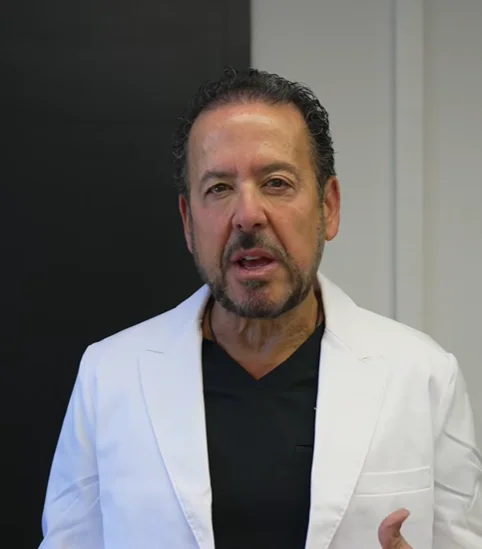
Dr. Stuart Diamond, MD, FACS, is a board-certified urologist with more than 30 years of urologic experience. His specialty background provides a foundation for evaluating treatments involving the male genitourinary system.
During consultation, we can discuss whether Scrotox is appropriate, what type of response may be realistic, potential risks, alternative approaches, and whether repeat treatment could eventually be considered.
Scrotox is generally performed as an in-office injection treatment.
The treatment area is assessed and prepared before the injections. The physician then administers small amounts of botulinum toxin into selected areas of the scrotal region according to the treatment plan.
The exact number of injection sites, dosage, and placement depend on the patient's anatomy and the reason for treatment.
Because the scrotal area is sensitive, discomfort during injections is possible. Your provider can discuss appropriate comfort measures before treatment.
Scrotox does not involve surgical removal of tissue or a surgical incision.
Treatment time varies according to the number of injection sites and the individualized treatment plan.
Your appointment may also include time for assessment, preparation, treatment, and post-treatment instructions. Your provider can give you a more specific estimate during consultation.
Preparation depends on your medical history and treatment plan.
Before treatment, tell your physician about:
- Prescription and nonprescription medications
- Supplements
- Blood-thinning medications
- Previous botulinum toxin treatments
- Allergies
- Neuromuscular conditions
- Previous reactions to injectable treatments
- Previous procedures involving the genital area
- Irritation, infection, or other changes affecting the treatment area
Do not stop prescribed medication without appropriate medical guidance.
If you have unexplained pain, swelling, a rash, lesions, or signs of infection in the genital area, discuss those symptoms with your physician before proceeding with elective treatment.
The potential benefit depends on the reason for treatment and how an individual responds to botulinum toxin.
For appropriately selected patients, Scrotox may temporarily:
- Reduce sweating in the treated area
- Decrease targeted muscle activity
- Change the movement or contraction of scrotal skin
- Address certain aesthetic concerns
- Improve comfort associated with the specific concern being treated
Results vary. Scrotox should be viewed as a targeted treatment for selected concerns rather than a general sexual enhancement procedure.
Scrotox does not involve the type of surgical recovery associated with an incision-based procedure.
Temporary redness, tenderness, swelling, bruising, or sensitivity can occur around injection sites. These effects vary in severity and duration.
Your provider will give you specific aftercare instructions based on your treatment. You may be advised to temporarily avoid activities that could irritate the injection sites.
Contact your physician if you develop significant or worsening pain, substantial swelling, signs of infection, or another unexpected reaction.
Botulinum toxin produces temporary effects, so Scrotox results are not permanent.
How long the effects last varies according to factors such as the treatment area, dose, injection technique, individual metabolism, and response to botulinum toxin.
As the effect diminishes, muscle and nerve activity gradually return toward baseline. Some patients may consider repeat treatment after a previous response, but additional injections should be based on an individualized medical assessment.
A previous response does not guarantee that subsequent treatment will produce the same result.
Scrotox carries risks associated with both botulinum toxin and the injection procedure.
Possible local effects include:
- Pain or discomfort
- Redness
- Bruising
- Swelling
- Tenderness
- Temporary changes in sensation
- Local irritation
Botulinum toxin can also produce unwanted effects if it affects areas beyond the intended treatment site. Rare but serious reactions can occur and require prompt medical attention.
Because treatment involves the scrotal region, patients should discuss anatomy-specific concerns and potential complications with their physician before proceeding.
What Does Off-Label Use Mean?
Scrotox is an off-label application of botulinum toxin.
The FDA approves medications and biologic products for particular indications, but physicians may use certain approved products for medical purposes that fall outside the specific indications listed in their labeling when they determine that use is appropriate.
Off-label does not automatically mean that a treatment is unsafe or ineffective. It does mean that patients should have a clear discussion with their physician about the evidence supporting the proposed use, areas of uncertainty, alternatives, and potential risks.
For Scrotox, this distinction is particularly important because the treatment area and intended uses differ from established FDA-approved indications for botulinum toxin.

Scrotox vs. Other Men’s Sexual Health Treatments
Scrotox is one treatment within a broader range of men’s sexual health services, but it should not be confused with treatments that involve different anatomy or objectives.
-
Scrotox vs. BOCOX™
Both treatments involve botulinum toxin, but they are not the same procedure. Scrotox involves the scrotal area, while BOCOX™ involves treatment of the penis for different treatment goals. The appropriate option depends on the concern being evaluated.
-
Scrotox vs. P-Shot®
The P-Shot® uses platelet-rich plasma prepared from the patient's own blood and involves penile injections. Scrotox uses botulinum toxin in the scrotal region. The treatments therefore involve different materials, anatomical areas, and intended treatment objectives.
-
Scrotox vs. Penile Enhancement
Scrotox should not be considered a penile enlargement procedure. Penile enhancement treatments have different objectives and may involve fillers or other techniques designed to alter penile appearance or dimensions. If penile size or girth is your primary concern, discuss that goal separately during your consultation.
Why Choose Center for Advanced Urology?

Urologic Expertise

Physician-Led Evaluation

Experience With Men’s Sexual Health
Scrotox in South Jersey & Philadelphia
Center for Advanced Urology provides sexual wellness and urologic care to patients throughout the South Jersey and Philadelphia regions.
Our Salem office is located at 4 Bypass Road, Suite 103, and our Moorestown office is located at 703 East Main Street, Suite C.
Patients interested in Scrotox can contact us for current scheduling information and to determine which location is appropriate for their appointment.
Our Clinics
The Center for Advanced Urology provides Scrotox consultations at two clinic locations, each serving the communities listed below.
Moorestown
Salem
Frequently Asked Questions About Scrotox
Scrotox is a term used for botulinum toxin injections administered in the scrotal area. It may be considered for selected concerns involving sweating, muscle activity, appearance, or comfort.
The use of botulinum toxin specifically for Scrotox is considered off-label. Patients should discuss the proposed use, available evidence, alternatives, and risks with a qualified physician.
Reducing sweating may be one reason selected patients consider Scrotox. Botulinum toxin can reduce nerve signaling involved in sweat production in treated areas.
No. Scrotox should not be presented as a penile enlargement treatment. It does not directly increase penile tissue volume or penile length.
Scrotox is not a general treatment for erectile dysfunction. Men whose primary concern is erectile function should discuss those symptoms with a urologist so potential causes and appropriate treatments can be evaluated.
No. Both involve botulinum toxin, but they are used in different anatomical areas and considered for different treatment objectives.
No. The P-Shot® uses platelet-rich plasma prepared from the patient's own blood and involves penile injections. Scrotox involves botulinum toxin injections in the scrotal area.
Injection discomfort varies between patients. The scrotal area is sensitive, so your provider can discuss comfort measures before treatment.
Scrotox is an injection treatment rather than surgery, but temporary tenderness, redness, bruising, or swelling can occur. Your provider will explain any activity recommendations that apply to your treatment.
The effects of botulinum toxin are temporary. Duration varies according to the individual, treatment area, dosage, technique, and response to treatment.
Because the effects are temporary, some patients may consider repeat treatment after the effects diminish. Whether additional treatment is appropriate should be determined through follow-up with your physician.
Not everyone is an appropriate candidate. Certain medical conditions, previous reactions to botulinum toxin, allergies, active infection, or other health considerations may affect eligibility. A medical evaluation is necessary before treatment.
Scrotox should not be presented as a guaranteed way to improve sexual performance. Its potential effects depend on the specific concern being treated and the individual's response to botulinum toxin.
Center for Advanced Urology offers Scrotox to patients across South Jersey and the greater Philadelphia area. Contact the practice for current appointment and location information.
Contact Us
Talk To Us About Scrotox
Scrotox may be appropriate for selected men with specific concerns involving scrotal sweating, muscle activity, appearance, or comfort. Because botulinum toxin use in this setting is off-label, understanding the potential benefits, limitations, alternatives, and risks is an important part of the decision.
At the Center for Advanced Urology, we begin with an individualized evaluation. Dr. Stuart Diamond, MD, FACS, is a board-certified urologist with more than 30 years of experience in urology and genitourinary care.
If you are considering Scrotox or have questions about whether botulinum toxin treatment is appropriate for your concerns, contact the Center for Advanced Urology to schedule a private consultation.