Penile Enhancement Revision Surgery
A previous penile enhancement procedure does not always produce the result a patient expected. Problems such as uneven contours, asymmetry, palpable nodules, filler migration, scarring, discomfort, or other changes may lead someone to seek a second opinion or consider revision.
At the Center for Advanced Urology, we evaluate patients who have concerns following penile filler, fat grafting, surgical enlargement, or other enhancement procedures. The appropriate revision approach depends on what was previously performed, the materials or techniques involved, the condition of the tissue, and the problem that needs to be addressed.
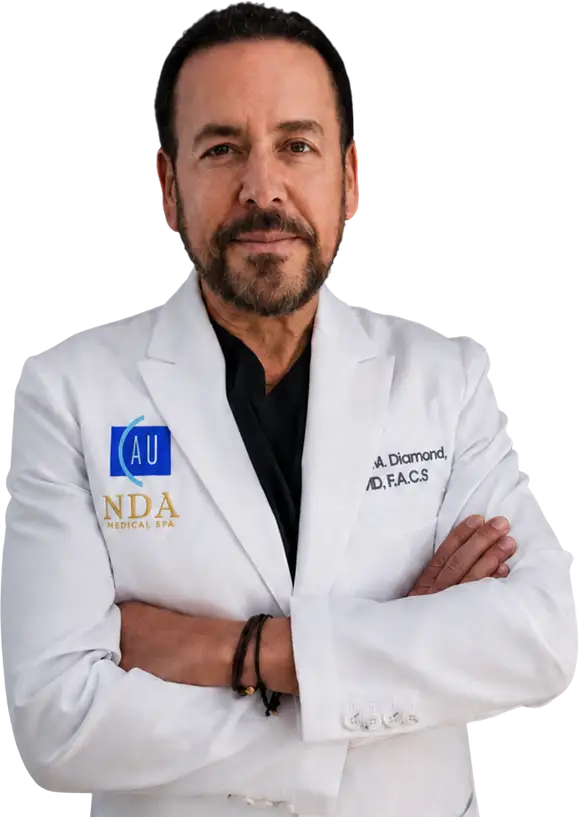
Stuart M. Diamond, MD, FACS, is a board-certified urologist with more than 30 years of surgical experience. His background includes urologic, reconstructive, and aesthetic care relevant to evaluating complex penile enhancement concerns.
Revision does not necessarily mean repeating or reversing the original procedure. In some cases, the priority may be addressing a complication. In others, the focus may be improving an irregular contour or correcting an unsatisfactory result. Some patients may not be appropriate for another procedure at all. A detailed evaluation helps determine which situation applies.

5.0 from 550+ Reviews | Moorestown & Salem, NJ

What Is Penile Enhancement Revision?
Penile enhancement revision involves evaluating and treating concerns that arise after a previous penile enlargement or enhancement procedure.
The original treatment may have involved:
Revision can be more complicated than an initial enhancement because the tissue may have been altered by injections, grafted fat, surgical incisions, inflammation, scarring, or previous attempts at correction.
The appropriate treatment depends on the patient's current anatomy rather than simply following the technique used during the original procedure.
Why Do Patients Seek Penile Enhancement Revision?
Patients may seek revision for cosmetic concerns, physical symptoms, complications, or dissatisfaction with a previous result.
Material from a previous procedure may not be distributed evenly. This can result in areas that appear or feel different from surrounding tissue, including visible depressions, ridges, lumps, or changes in circumference.
Some fillers can move from their original treatment area. Migration may affect the appearance of the penis and can create additional considerations if another procedure is being considered.
A palpable lump following penile enhancement can have different causes. Depending on the material and procedure involved, it could relate to filler distribution, inflammation, scar tissue, fat, or another tissue change.
A physical examination is necessary to determine what may be causing the abnormality.
A patient may feel that a previous procedure produced more or less enhancement than intended. The overall amount of material does not necessarily determine how natural or proportional the result appears.
Previous surgery, injections, inflammation, infection, or repeated procedures can change the condition of the skin and underlying tissues. Scar tissue and altered tissue planes may affect both appearance and the options available for additional treatment.
Pain, tenderness, swelling, skin changes, drainage, or other persistent symptoms should be medically evaluated. A cosmetic revision may not be the appropriate first step when an unresolved complication is present.
Penile Filler Complications Require Individual Assessment
There is no single procedure used to correct every penile filler complication.
The evaluation may depend on:
Patients should bring their previous medical records whenever possible. Information about the product used can be particularly important because different materials can behave differently within tissue.
Useful records may include:
If you do not know what material was used, let us know during your consultation. We can discuss what information may be needed to evaluate the situation.
Who May Be a Candidate for Revision?
A consultation may be appropriate for someone who is dissatisfied with a previous enhancement result or has developed a suspected complication.
Patients may seek evaluation for:
Not everyone is a candidate for immediate revision. Active infection, significant inflammation, poor healing, or another unresolved medical problem may need to be addressed before additional treatment can be considered.
In some cases, another procedure may not be recommended. The purpose of the consultation is to determine what is medically appropriate given the patient's current condition.

We begin by reviewing what was done previously and what has changed since the original procedure.
The consultation may include discussion of the original enhancement technique, materials used, treatment dates, complications, previous corrective procedures, and the patient's current concerns. Dr. Diamond can also evaluate the affected area and consider the condition of the skin and underlying tissue.
It is important to identify the actual source of the problem before selecting a treatment. A contour abnormality, for example, may relate to filler distribution, swelling, scar tissue, grafted fat, or another tissue change.
Once the relevant factors have been assessed, we can discuss whether revision is appropriate and what outcomes may realistically be achievable.
Initial enhancement begins with untreated or relatively untreated tissue. Revision starts with anatomy that may already have been altered.
Previous procedures can leave behind filler, grafted tissue, scar tissue, surgical changes, or other alterations. These factors can affect how additional treatment is performed and what results are realistically possible.
For this reason, revision should be planned around the patient's present anatomy rather than treated as another opportunity to perform the original enhancement procedure.
The specific objective depends on the patient's problem.
Depending on the circumstances, revision may be considered for:
- Contour irregularities
- Asymmetry
- Unwanted changes following filler treatment
- Problems associated with previous fat grafting
- Scar-related concerns
- Certain complications from previous enhancement
- Unsatisfactory cosmetic results
- Problems following previous surgical enlargement
Some cases may require more than one stage of treatment. Allowing previously treated tissue to heal or settle before another intervention may be appropriate in certain circumstances.
The treatment plan is based on the findings of the evaluation rather than a predetermined revision technique.
Penile filler revision requires particular attention to the material that was previously injected.
Temporary fillers, longer-lasting materials, and permanent fillers can create different clinical circumstances. The amount of product, location of injection, tissue response, and time since treatment can also affect the available options.
If you know the exact product used during your previous procedure, bring that information to your consultation. Medical records from the original provider can be useful when determining how the existing material may affect revision planning.
Fat grafting creates a different tissue environment from injectable filler because fat has been transferred into the treatment area.
Patients may seek evaluation after fat grafting because of irregular contours, asymmetry, palpable areas, changes in tissue appearance, or other concerns. The appropriate approach depends on how the transferred tissue has responded and what the examination shows.
A consultation is necessary before determining whether further intervention is appropriate.
Surgical penile enlargement can create additional considerations for revision because previous incisions and changes to tissue planes may affect subsequent treatment.
Evaluation may take into account the location of previous incisions, healing history, scar tissue, tissue condition, and the specific problem that developed after surgery.
Revision may be considered for certain cosmetic or physical concerns, but another procedure is not automatically appropriate simply because the first result was unsatisfactory.
Recovery depends on what, if any, revision treatment is performed.
A consultation alone does not involve the recovery associated with surgery. A limited correction may have different aftercare requirements from a more involved revision procedure.
If treatment is performed, we provide instructions appropriate to the procedure. These may address:
- Care of the treated area
- Swelling and bruising
- Physical activity
- Exercise
- Sexual activity
- Medication use
- Wound care where applicable
- Follow-up appointments
- Symptoms that require medical attention
Previously treated tissue may heal differently from untreated tissue. Patients should therefore follow the recovery instructions provided for their specific procedure rather than relying on the timeline from their original enhancement.
Significant or worsening pain, rapidly increasing swelling, fever, drainage, skin discoloration, or other concerning symptoms should be reported promptly to a medical provider.
Diamond XL® with alloClae™ is a medical treatment and carries potential risks.
The manufacturer's current safety information identifies potential complications associated with alloClae™, including cystic or nodule formation, pain, infection, hematoma, anaphylaxis or other allergic or immune responses, and discoloration of the skin at the procedure site.
Penile enhancement may also involve considerations such as:
- Swelling or bruising
- Tenderness or discomfort
- Asymmetry
- Contour irregularities
- Areas of firmness or nodules
- Infection or inflammation
- Changes in skin appearance
- Unsatisfactory cosmetic results
- Unexpected tissue response
Individual risk can vary according to health, anatomy, previous procedures, treatment plan, and other circumstances.
The manufacturer also advises against use in the presence of active infection and in patients with severe allergen sensitivities or a history of anaphylaxis.
Contact your physician promptly if you develop significant or worsening pain, rapidly increasing swelling, fever, drainage, pronounced skin discoloration, or other concerning symptoms following treatment.
Revision procedures carry risks, and the specific risks depend on the treatment being considered and the condition of the tissue.
Potential risks and considerations may include:
- Swelling
- Bruising
- Pain or tenderness
- Bleeding
- Infection
- Scarring
- Asymmetry
- Persistent contour irregularities
- Changes in skin sensation
- Recurrence of the original concern
- Unsatisfactory cosmetic results
- Need for additional treatment
- Complications related to previously implanted or injected material
Patients who have undergone multiple procedures may have more complex tissue conditions. This can make the outcome less predictable than an initial enhancement.
No revision procedure can guarantee a particular cosmetic result.
The goal of revision is to address a specific problem and improve the result as realistically as possible.
Complete reversal of a previous enhancement may not always be possible. Permanent materials, scar tissue, changes in tissue quality, and previous surgical alterations can limit what can be achieved.
Depending on the circumstances, a revision plan may focus on improving symmetry, reducing an unwanted contour abnormality, addressing a complication, or creating a more natural appearance.
The result depends on the original procedure, current tissue condition, revision approach, and individual healing response.
We discuss these limitations during consultation so patients can make an informed decision before proceeding.
Diamond XL® with alloClae™ is intended to address penile girth enhancement. It should not be presented as a guarantee of a specific increase in circumference or as a treatment for erectile dysfunction, fertility problems, urinary conditions, or other underlying medical disorders.
Increased girth also does not automatically translate into improved sexual performance or satisfaction.
A realistic treatment discussion should address both the potential aesthetic benefit and the limitations of the procedure. The purpose of consultation is to determine whether the potential benefits are consistent with your goals and whether the treatment is appropriate for your circumstances.
Why Choose Center for Advanced Urology for Revision Care?
Penile revision requires consideration of what happened during the original procedure and how the patient's anatomy has changed since then.
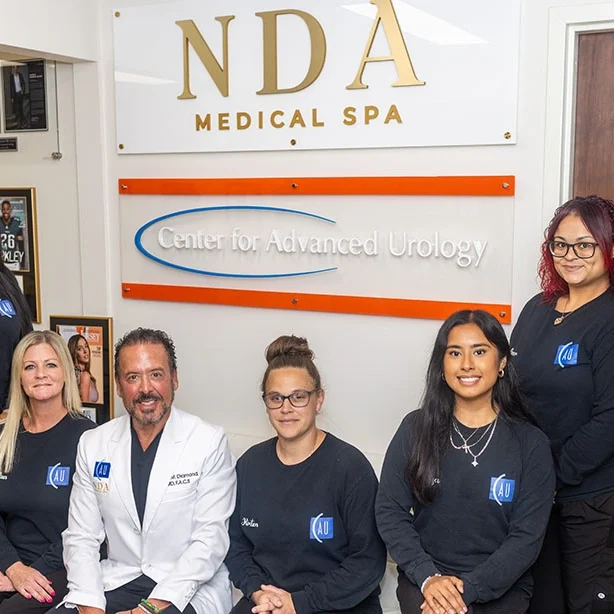
At the Center for Advanced Urology, we approach these cases from a urologic perspective. Stuart M. Diamond, MD, FACS, is a board-certified urologist with more than 30 years of surgical experience and a professional background that includes reconstructive and aesthetic urologic care.
Our evaluation considers the patient's existing anatomy, previous treatment, current concerns, and whether additional intervention is medically appropriate.
Dr. Diamond's broader practice includes penile enhancement and sexual health treatments, including the Diamond XL 360™ procedure and other men's sexual wellness services.
Penile Enhancement Revision in South Jersey & Philadelphia
Center for Advanced Urology provides urologic and sexual health care to patients throughout the South Jersey and Philadelphia regions.
The Salem office is located at 4 Bypass Road, Suite 103, and the Moorestown office is located at 703 East Main Street, Suite C.
Patients seeking evaluation after a penile enhancement procedure can contact us to discuss their concerns and determine which office and
appointment options are appropriate.
Our Clinics
The Center for Advanced Urology provides penile enhancement consultations at two clinic locations, each serving the communities listed below.
Moorestown
Salem
Frequently Asked Questions About Penile Enhancement Revision
Penile enhancement revision surgery involves evaluating and treating concerns that develop after a previous penile enlargement or enhancement procedure. Depending on the situation, revision may address contour irregularities, asymmetry, complications, scarring, or another unsatisfactory result.
Patients may seek revision because of uneven contours, asymmetry, lumps or nodules, filler migration, scarring, discomfort, overcorrection, undercorrection, or dissatisfaction with a previous enhancement procedure.
In some cases, a previous filler-related problem may be treatable. The options depend on the specific material, amount used, location, time since treatment, and how the tissue has responded. A physical evaluation is necessary before determining whether correction is appropriate.
Penile filler correction refers to individualized treatment for unwanted results or complications associated with previous penile filler. The appropriate approach depends on the material used and the condition of the treated tissue.
Patients with concerns following penile fat grafting can be evaluated. Fat grafting produces different tissue changes from injectable filler, so the appropriate revision approach depends on the patient's examination and treatment history.
Revision may be considered for certain concerns following surgical penile enlargement. Previous incisions, scar tissue, altered tissue planes, healing, and the original surgical technique can all affect treatment planning.
No. Some patients may have limitations caused by tissue condition, permanent materials, scar tissue, active complications, or other medical factors. In some circumstances, additional treatment may not be recommended.
Not necessarily. The ability to reverse or improve a previous result depends on the original procedure, materials used, tissue condition, and available treatment options. Revision is intended to address specific problems and achieve a realistic improvement.
Bring any records from your previous procedure that you have available. Information about the filler or material used, amount placed, treatment date, operative reports, photographs, and previous complications can be particularly useful.
There is no single recovery period for penile enhancement revision. Recovery depends on the type and extent of treatment performed. Your provider will give you instructions specific to your procedure.
That depends on your tissue condition and the reason for revision. Additional enhancement may not be appropriate in every case, and sufficient healing may be necessary before another procedure is considered.
Center for Advanced Urology offers penile enhancement revision consultations to patients across South Jersey and the greater Philadelphia area. Contact us for current appointment and location information.
Contact Us
Discuss Penile Enhancement Revision With Dr. Diamond
An unsatisfactory penile enhancement result can be frustrating, particularly when you are unsure whether the problem can be corrected. Revision begins with understanding what was previously done, evaluating the current condition of the tissue, and determining what options are medically appropriate.
Center for Advanced Urology provides confidential consultations with Stuart M. Diamond, MD, FACS, a board-certified urologist with more than 30 years of surgical experience and expertise relevant to penile enhancement, reconstruction, and complex revision care.
If you are experiencing a filler complication, contour irregularity, asymmetry, scarring, or another concern following penile enlargement or enhancement, contact the Center for Advanced Urology to schedule a private consultation and discuss your options.