
Common Urological Conditions
Center for Advanced Urology evaluates conditions involving the prostate, bladder, kidneys, urinary tract, male reproductive system, sexual health, and urologic cancers.
The prostate can affect urinary function and may also be involved in inflammatory or cancer-related conditions.
Benign Prostatic Hyperplasia (BPH)
BPH is enlargement of the prostate that can narrow the urethra and make urination more difficult.
Prostatitis
Prostatitis involves inflammation of the prostate and may cause urinary, pelvic, or other symptoms.
Prostate Cancer
Prostate cancer develops when abnormal prostate cells grow uncontrollably. Evaluation may involve screening, imaging, biopsy, and ongoing management.
Bladder and lower urinary tract problems can affect how often, how urgently, or how easily you urinate.
Urinary Incontinence
Unintentional urine leakage can occur with urgency, physical activity, or other bladder-control problems.
Overactive Bladder
Overactive bladder commonly involves urinary urgency, increased frequency, and sometimes urgency-related leakage.
Nocturia
Nocturia refers to repeatedly waking during the night to urinate.
Interstitial Cystitis/Bladder Pain Syndrome
This condition can cause bladder discomfort along with urinary frequency, urgency, and other lower urinary tract symptoms.
Urinary Tract Infections
UTIs can affect different parts of the urinary system and may cause changes in urination, discomfort, urgency, or other symptoms.
Urologic Emergencies
Certain urinary symptoms and conditions require prompt assessment, particularly when they involve severe pain, significant bleeding, fever, or inability to urinate.
The kidneys and upper urinary tract can be affected by stones, infections, and cancers.
Kidney Stones
Kidney stones are solid deposits that can cause significant pain, blood in the urine, nausea, and urinary obstruction.
Kidney Infections
An infection involving the kidneys can produce urinary symptoms along with systemic symptoms and may require prompt medical treatment.
Upper Tract Urothelial Carcinoma (UTUC)
UTUC is a cancer affecting the lining of the upper urinary tract, including the renal pelvis and ureter.
Urology also encompasses sexual and reproductive health.
Erectile Dysfunction
Difficulty achieving or maintaining an erection sufficient for sexual activity can have physical, hormonal, medication-related, or other causes.
Peyronie's Disease
Peyronie's disease involves scar tissue within the penis that can cause curvature, discomfort, or changes in erectile function.
Premature Ejaculation
Premature ejaculation involves ejaculation that occurs sooner than desired and may affect sexual function or satisfaction.
Male Infertility
Difficulty conceiving may be associated with sperm production, sperm transport, hormonal factors, or other reproductive conditions.
Epididymitis and Orchitis
These conditions involve inflammation of structures associated with the testicles and can cause pain, swelling, and other symptoms.
Low Testosterone/Testosterone Deficiency
Low testosterone may be associated with changes in sexual function, energy, mood, and other aspects of health.
Vasectomy and Vasectomy Reversal
Vasectomy is a male contraceptive procedure, while vasectomy reversal is performed to attempt to restore the passage of sperm after a previous vasectomy.
Urologic cancers can affect the urinary tract and male reproductive organs.
Center for Advanced Urology evaluates and manages conditions including:
- Prostate cancer
- Bladder cancer
- Kidney cancer
- Penile cancer
- Testicular cancer
- Urethral cancer
- Upper tract urothelial carcinoma
The diagnostic process depends on the suspected condition and may include laboratory testing, imaging, physical examination, biopsy, or other specialized procedures.

Symptoms That May Need Urologic Evaluation
Many urinary or sexual symptoms have causes that are not serious. Persistent, recurrent, unexplained, or changing symptoms should still be evaluated.
Consider seeing a urologist if you experience:
Sudden severe pain, inability to urinate, substantial bleeding, fever accompanied by urinary symptoms, or rapidly worsening symptoms may require urgent medical assessment.
How Are Urological Conditions Diagnosed?
Diagnosis starts with understanding what you are experiencing and identifying factors that may be contributing.
Your urologist may review:
Depending on the condition, testing may include urine or blood tests, imaging, urinary flow testing, bladder function testing, measurement of post-void residual urine, cystoscopy, biopsy, or other specialized evaluation.
The purpose is to determine the underlying problem and identify the most appropriate management approach.

When Should You Schedule a Urology Evaluation?
You do not need to wait until symptoms become severe.
An evaluation may be appropriate when symptoms:
You may also be referred to a urologist when another healthcare provider identifies a finding that requires specialized evaluation.
Why Choose Center for Advanced Urology?
Urological symptoms can have overlapping causes, so an effective evaluation begins with understanding the individual patient's situation.
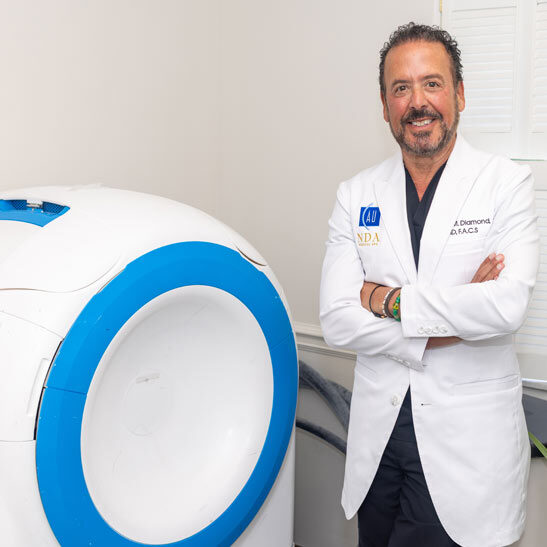
Stuart M. Diamond, MD, FACS, is a board-certified urologist with more than 30 years of urologic experience. Center for Advanced Urology evaluates a broad range of urinary, prostate, male reproductive, sexual health, and urologic cancer conditions.
The practice also provides specialized services in areas such as prostate health, BPH, bladder conditions, men's sexual health, hormone-related concerns, prostate imaging, and prostate cancer evaluation.
Patients throughout the South Jersey and Philadelphia regions can access care through the practice’s two South Jersey locations.

Urological Conditions in South Jersey & Philadelphia
Center for Advanced Urology provides urologic care through two New Jersey offices.
Salem
MOORESTOWN
Patients can contact the practice to discuss new symptoms, ongoing urologic concerns, abnormal test results, or a condition that may require specialist evaluation.
Our Clinics
The Center for Advanced Urology evaluates and treats urological conditions at two clinic locations, each serving the communities listed below.
Moorestown
Salem
Urological Conditions FAQs
A urologist evaluates conditions affecting the urinary system and, in men, the reproductive system. This includes problems involving the prostate, bladder, kidneys, urinary tract, sexual function, male fertility, and urologic cancers.
Consider a urologic evaluation when symptoms persist, recur, interfere with daily life or sleep, or involve changes such as blood in the urine, difficulty urinating, or significant pain.
Yes. A weak stream, frequent urination, urgency, or incomplete emptying can occur with several different conditions. BPH, bladder dysfunction, infection, medications, urethral problems, and other conditions can produce similar symptoms.
Your urologist will discuss your symptoms and medical history and may perform a physical examination. Depending on your concerns, additional testing such as laboratory work, imaging, urinary testing, cystoscopy, or specialized bladder evaluation may be recommended.
Yes. The practice evaluates conditions involving erectile function, Peyronie's disease, premature ejaculation, male infertility, testosterone deficiency, and other men's sexual and reproductive health concerns.
Yes. The practice evaluates and manages cancers involving the prostate, bladder, kidney, penis, testicles, urethra, and upper urinary tract.
Referral requirements vary by insurance plan and individual circumstances. Contact the practice or your insurance provider to determine whether a referral is required for your appointment.
Contact Us
Schedule a Urological Evaluation
Persistent urinary changes, prostate symptoms, sexual health concerns, reproductive issues, or other urologic problems deserve an evaluation when they do not resolve or begin affecting daily life.
Center for Advanced Urology provides comprehensive urologic care to patients throughout the South Jersey and Philadelphia regions. With more than 30 years of urologic experience, Stuart M. Diamond, MD, FACS, can evaluate your symptoms, determine whether additional testing is needed, and discuss appropriate treatment or management options.
Call Center for Advanced Urology at (856) 595-0285 to schedule an evaluation.